

the latest
April 9, 2024
Published by Isabel Whisson at Apr 09 2024
Donors are increasingly asking us what we are doing to advance the green transition. Here’s my answer.
December 10, 2023
Published by Monirul Hoque at Dec 10 2023
Categories
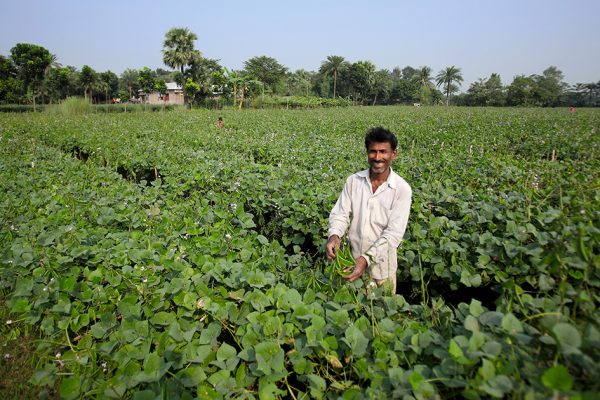
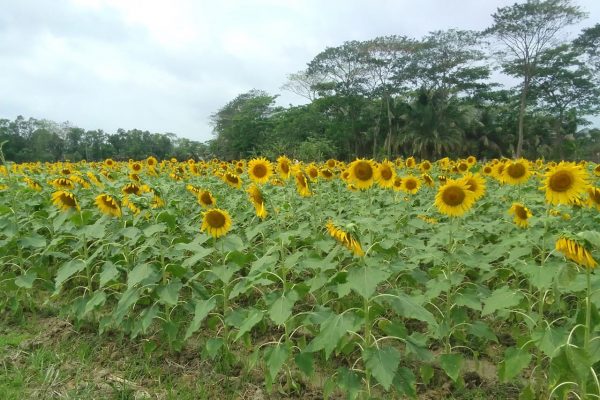
The world is already facing a global food crisis, and it is expected to worsen, with climate impacts anticipated to wipe out 30% of the world’s food production by 2050. Our biggest strength in facing this crisis are the people most exposed to it - smallholder farmers, who produce one-third of the world's food. Insights from Bangladesh provide valuable guidance on how crop insurance can support these farmers to tackle the challenges ahead.
October 12, 2023
Published by Luba Khalili at Oct 12 2023
Categories
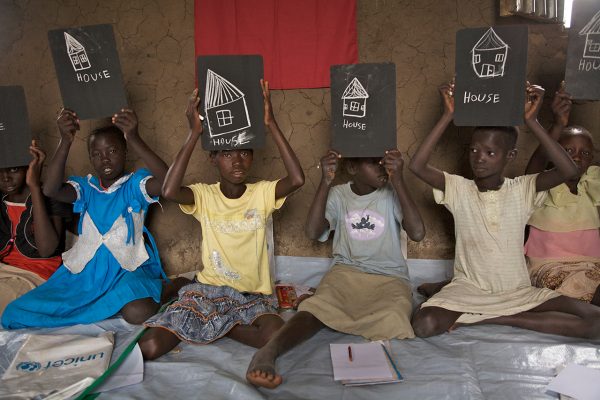
While the world is watching a war unfold in Sudan, a heavy burden of the crisis is being felt in the youngest independent country, South Sudan, where thousands of people are fleeing to, adding to an already overwhelming displaced population.
October 8, 2023
Published by Dr Shahinul Hoque Ripon at Oct 08 2023
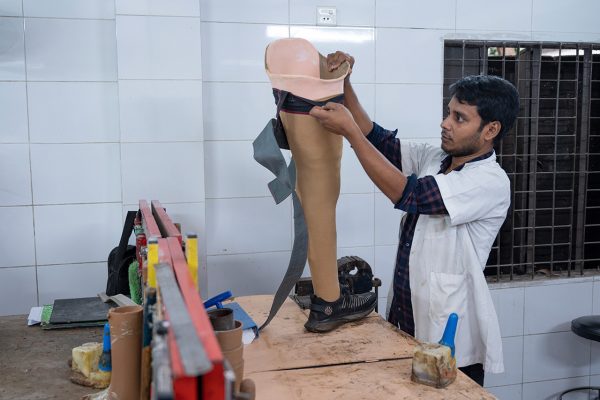
Roksana Khatun lost her right leg when the building she was working in collapsed on top of her. The Rana Plaza building collapse in Bangladesh was the deadliest accidental structural failure in modern human history, killing almost 1200 people and injuring thousands more. Rokhsana didn’t think she'd ever walk, let alone work, again. Today, armed with a prosthetic leg, she is not only back in the workforce, but is earning more than what she made in Rana Plaza. Her story is emblematic of the work of the BRAC Limb and Brace Centre, which has equipped 42,000 people in Bangladesh with customised, affordable prosthetic limbs to date.
August 29, 2023
Published by Asif Saleh at Aug 29 2023
Categories
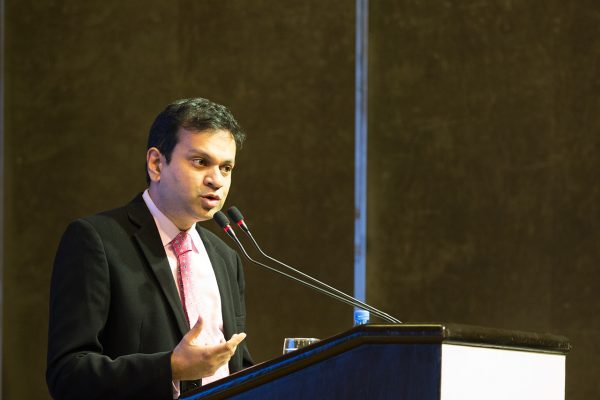
Bangladesh is tackling multiple challenges at the moment - recovery from COVID-19, international instability, rapidly multiplying climatic impacts, an upcoming election - as well as meeting fiscal conditions imposed by global bodies such as the International Monetary Fund. What insights from the ground could help to ensure the effectiveness of national spending, especially for those who need it the most?
August 27, 2023

Published by Farah Masud at Aug 27 2023
Categories
BRAC has been trying to figure out how to get women in Bangladesh to use mobile money for the last decade. Along the way, we have learnt a lot about what works and what doesn’t. In this blog, we share five insights to help organisations seeking to drive up the use of digital financial services in communities.

most read
August 16, 2022
Published by Fahad Bin Touhid at Aug 16 2022
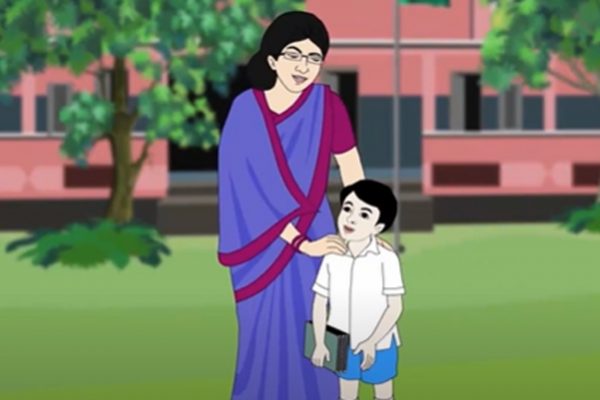
Child sexual abuse is a silent epidemic, and statistics show it is only getting worse. What can we do to help our children understand the difference between a good touch and a bad touch? A good start is a 20-minute conversation.
July 14, 2022
Published by Nasifa Sefat Sultan at Jul 14 2022
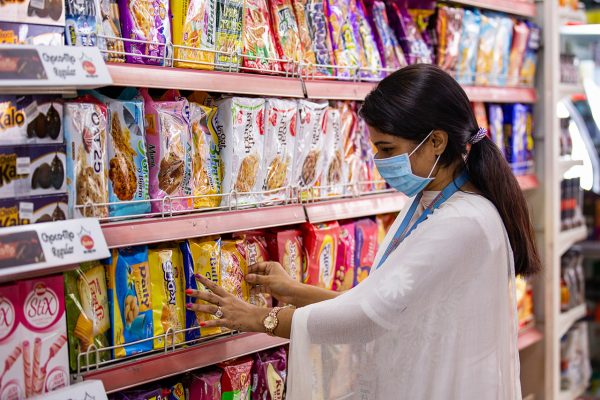
Bangladesh’s retail sector is an important contributor to the country’s economic growth. It has significant potential to provide opportunities for career progression for young people - but only if young people can access the relevant skills training. One new project is providing just that, and seeing impressive initial results.
March 24, 2022
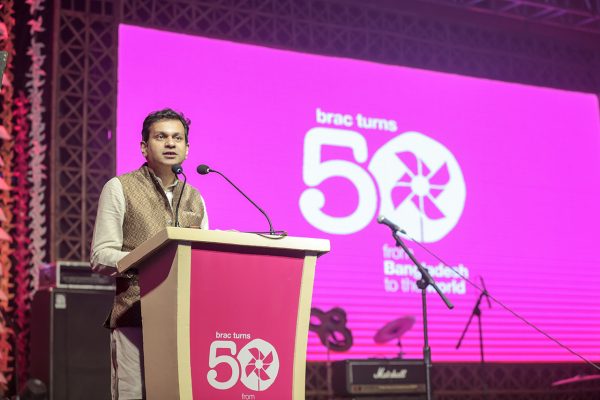
Published by Asif Saleh at Mar 24 2022
The speech given by Asif Saleh, Executive Director of BRAC Bangladesh, at BRAC’s 50th anniversary celebrations on 21 March 2022.
editor's picks